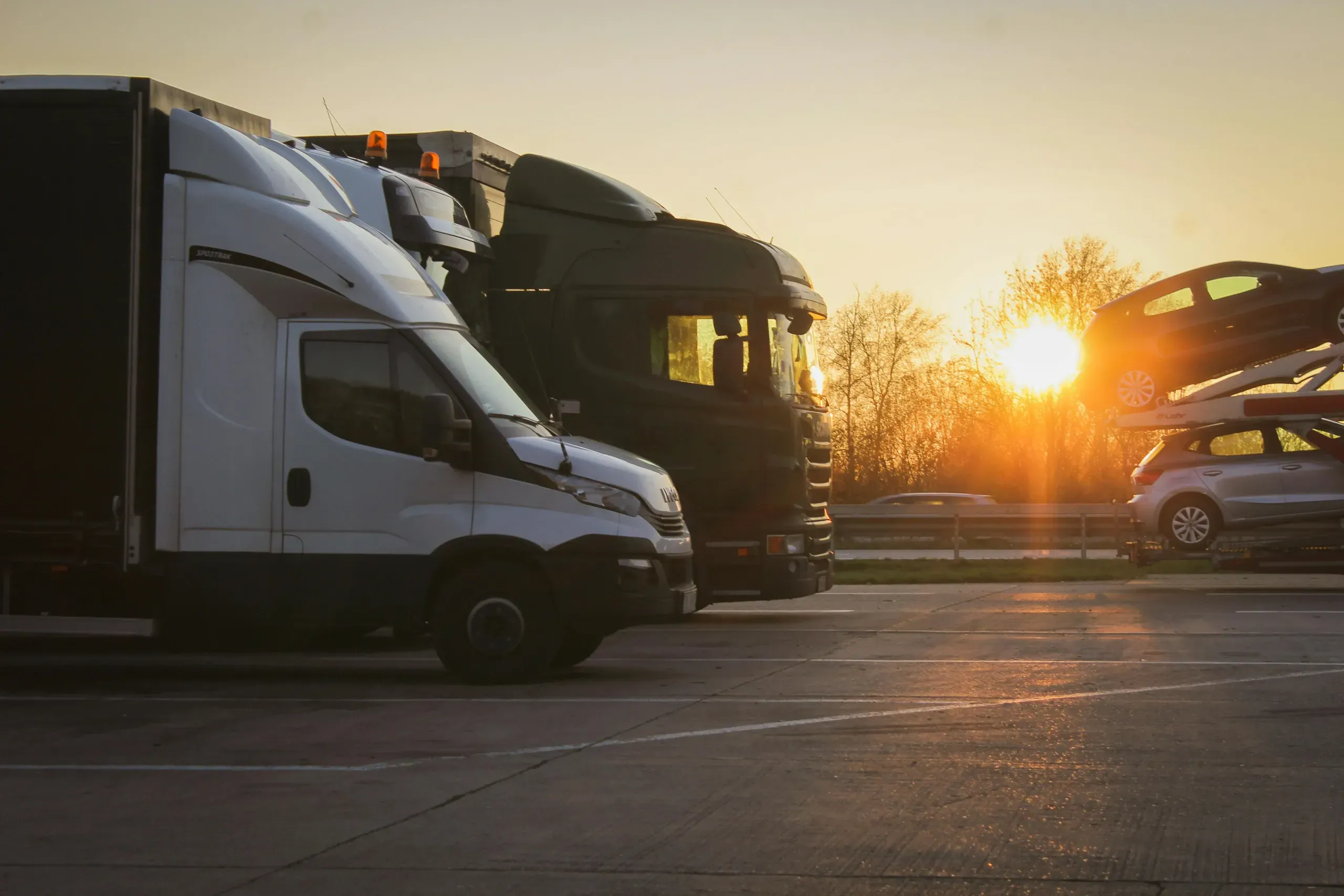
Ship Your Car from Utah to District of Columbia
Shipping your vehicle from Utah to the District of Columbia covers a distance of approximately 2,079 miles, with typical carrier transit times ranging between 5 and 7 days. This cross-country route relies heavily on major highways like I-80, ensuring a steady flow of transport options for your move. Throughout this page, we explain the key aspects of your shipment, including how pricing is determined, what to expect during the transit process, how to prepare your vehicle for pickup, steps to verify your carrier, and answers to the most common questions from first-time shippers.
- No-obligation quote within 2 minutes
- Price all-inclusive
- No charge until driver confirmed
- Distance
- 2,079 mi
- Transit time
- 5–7 days
- Open carrier from
- $1,150
How much does it cost to ship a car from Utah to District of Columbia?
For an open trailer, you can expect a range between $1,150 and $1,550 for this 2,079-mile journey, while enclosed transport typically runs from $1,900 to $2,525. These figures are estimates based on current market data for this cross-country route, which usually takes 5 to 7 days for delivery. Ship Car Pros acts as a referral service, connecting you with independent carriers from our vetted network to handle the actual move. There are seven primary factors-including vehicle size, pickup flexibility, and seasonal demand-that determine exactly where your final price lands within these ranges. We break down how these variables influence your specific quote in the following sections so you can plan your budget with confidence.
What factors affect car shipping cost?
Several variables influence the final rate for your shipment from Utah to the District of Columbia. Understanding how these factors stack helps you manage your budget and set realistic expectations for your cross-country move:
- Vehicle dimensions and weight: Larger trucks and SUVs occupy more trailer space and increase fuel consumption.
- Transport type: Enclosed trailers provide premium protection but cost significantly more than standard open carriers.
- Pickup and delivery flexibility: A wider, 4-to-7-day pickup window allows carriers to optimize their routes and lowers your cost.
- Seasonal demand: Peak periods like summer and the winter snowbird season increase competition for limited trailer space.
- Route accessibility: Metro-to-metro shipments are cheaper because they stay close to major highways like I-80.
- Vehicle operability: Non-running vehicles require specialized equipment and extra time for loading, which adds to the total price.
Open vs. enclosed car transport: which should you choose?
Choosing between open and enclosed transport comes down to the level of protection your vehicle requires. Most people select open transport, which is the industry standard. Your vehicle rides on the same type of multi-car trailer used by dealerships to transport new cars from the factory. It is efficient, fully insured, and typically costs around $1,289 for this route.
Enclosed transport provides a fully sealed environment, shielding your vehicle from road debris, weather, and dust. Because this service is more specialized and carrier availability is lower, it typically costs around $2,100. You should consider this premium option if you are shipping a high-value exotic car, a vintage classic, or a vehicle with very low ground clearance that might struggle with standard loading ramps. If you are moving a daily driver, standard open transport is the reliable, cost-effective choice for your trip to the District of Columbia.
- Open carrier
- $1,150–$1,550
- Standard 7–10 car hauler.
- Enclosed carrier
- $1,900–$2,525
- Sealed trailer for high-value vehicles.
How long does it take to ship a car from Utah to District of Columbia?
Shipping your vehicle over the 2,079-mile distance between Utah and the District of Columbia typically takes 5 to 7 days. While this seems like a long journey, carriers usually cover around 400 to 500 miles per day once the trailer is fully loaded and on the move. This pace accounts for necessary fueling stops, traffic patterns, and the federal limits on how long a driver can be behind the wheel each day. Keep in mind that unforeseen weather or route adjustments can occasionally shift these estimates. We will look closer at how specific pickup windows and seasonal changes can impact your overall schedule in the following sections.
Which routes do carriers usually take?
Carriers moving your vehicle from Utah to the District of Columbia primarily utilize I-80 E for the majority of the cross-country trek. This route provides the most direct path through the mountain states and across the Midwest. Once the carrier transitions into the Mid-Atlantic, the route typically connects to major interstates that feed into the D.C. Capital Beltway. Because Utah serves as a primary freight hub, pickup in the Wasatch Front metro area is efficient; however, carriers must manage steep mountain passes like Parleys Summit and high-wind zones during the initial departure before settling into the long-haul transit across the central United States.
What can delay your shipment?
While most shipments proceed as planned, certain factors can introduce variability to your delivery timeline. Winter travel is the primary disruptor; heavy snow and ice on I-80’s mountain passes, particularly around Parleys Summit, can lead to temporary closures or mandatory chain requirements for carriers. Similarly, late-summer storms may trigger flash floods that impact low-lying transit corridors. Beyond weather, scheduling can be affected by the timing of your booking. Friday requests often face delays as carrier activity slows over the weekend. Additionally, if you are shipping from an auction facility, pickup can stall without the correct lot number, buyer number, and gate pin ready for the driver upon arrival.
Popular Routes
Major city-to-city routes on the Utah → District of Columbia corridor.
| From | To | Approx. distance | Transit |
|---|---|---|---|
| Salt Lake City, UT | Washington, DC | ~1,840 mi | 5-7 days |
| Ogden, UT | Washington, DC | ~1,840 mi | 5-7 days |
| Provo, UT | Washington, DC | ~1,830 mi | 5-7 days |
| St. George, UT | Washington, DC | ~1,980 mi | 5-7 days |
| West Valley City, UT | Washington, DC | ~1,850 mi | 5-7 days |
| Logan, UT | Washington, DC | ~1,830 mi | 5-7 days |
| West Jordan, UT | Washington, DC | ~1,850 mi | 5-7 days |
| Orem, UT | Washington, DC | ~1,840 mi | 5-7 days |
| Taylorsville, UT | Washington, DC | ~1,850 mi | 5-7 days |
| Kearns, UT | Washington, DC | ~1,850 mi | 5-7 days |
How does shipping a car from Utah to District of Columbia work?
Shipping your vehicle from Utah to the District of Columbia is a straightforward process that breaks down into three distinct stages: quote, pickup, and delivery. First, we provide an all-inclusive quote based on your vehicle and route details. Once you confirm, we coordinate with a carrier from our network to handle the transport. The driver then executes the pickup at your specified origin, manages the cross-country transit, and finally completes the delivery at your destination. Each step is designed to keep you informed while your vehicle is safely moved across the country.
What happens between booking and pickup?
Once you finalize your booking, the focus shifts to securing a carrier and preparing for the vehicle’s departure. Here is what happens during this window:
- We post your shipment to our private network, where vetted, independent carriers review the route and load requirements.
- A carrier accepts the load and is officially dispatched to your pickup location.
- You receive a notification containing the carrier’s details, including the driver’s name and direct contact information.
- The driver coordinates with you to finalize a specific pickup window based on their current route and transit schedule.
- On the scheduled day, the driver arrives and walks the vehicle with you to complete the initial bill of lading inspection.
This phase is critical for ensuring the logistics are set for a smooth transition onto the trailer. By staying in touch with the assigned driver, you will have the most accurate information regarding their arrival and any final preparations needed for your vehicle.
What is a bill of lading (BOL)?
The Bill of Lading (BOL) serves as both the official contract for transport and a comprehensive condition report for your vehicle. At pickup, the driver performs a detailed inspection-often involving a 21-point checklist-to document the vehicle's exterior and interior, noting any existing scratches, dents, or mechanical issues. You will receive a copy of this document to keep for your records. Upon reaching the District of Columbia, the driver repeats this inspection. It is essential that you carefully review your vehicle in good lighting before signing the final BOL. This comparison ensures that any new damage is identified and documented before you finalize the delivery.
After delivery: registration and inspection in District of Columbia
Once your vehicle arrives in the District of Columbia, you have 60 calendar days to register it with the DC DMV. You must visit a DC DMV service center in person to surrender your out-of-state documents and obtain a 45-day temporary tag, which allows you to legally drive the vehicle through the mandatory emissions inspection station.
To complete your registration, bring your current title (or your lienholder’s information if the vehicle is financed), your DC REAL ID, proof of DC-compliant insurance, and an odometer statement. Note that electric vehicles are now subject to excise tax, and all card transactions at the DMV incur a 2.5% service fee. You can find specific forms and current checklists at dmv.dc.gov. Regarding your Utah status, remember to remove your Utah license plates before the vehicle is shipped, as they do not transfer. You may also be eligible for a prorated registration refund through the Utah Motor Vehicle Portal if you have unused months remaining on your Utah registration.
How do you verify a car transport company is legitimate?
Verifying a carrier’s legitimacy is the most effective way to protect your vehicle and your peace of mind. Every legitimate transport company is required to be registered with the Federal Motor Carrier Safety Administration (FMCSA). You can verify their status by requesting their MC (Motor Carrier) or USDOT number and performing a quick search on the official FMCSA "Company Snapshot" website. This tool confirms whether they have an active license, a record of safety compliance, and the required level of insurance coverage.
Beyond federal registration, always insist on a written agreement before your vehicle is picked up. A professional company will provide a document outlining the scope of service, total costs, and insurance terms. Be wary of any provider that demands an upfront payment or deposit before they have officially assigned a carrier to your load. A legitimate referral service like Ship Car Pros only collects a deposit once a driver is confirmed and ready for dispatch.
Finally, look for transparency in third-party feedback. Check sources like the Better Business Bureau or Transport Reviews to see how the company handles customer concerns. If a company lacks a verifiable online presence, refuses to provide their registration numbers, or pushes for high-pressure, non-refundable payments, look elsewhere. Taking these steps ensures you are working with a company that operates with integrity.
How do I prepare my car for shipping?
Preparing your vehicle properly ensures a smooth inspection process and keeps your transit on schedule. Taking a few simple steps before the driver arrives helps protect both your car and the carrier's equipment. Follow these guidelines to get your vehicle ready:
- Wash the exterior: Cleaning your car makes it easy for the driver to spot and document existing scratches or dents on the bill of lading.
- Document the condition: Take clear, timestamped photos of the vehicle from every angle, including the roof and undercarriage, for your own records.
- Clear your belongings: Remove all personal items, toll tags, and parking permits to comply with insurance regulations and keep the trailer weight balanced.
- Limit fuel: Keep the gas tank at approximately one-quarter full to reduce total weight while ensuring the driver has enough fuel to load and unload.
- Disable alarms: Turn off any security systems or provide the driver with specific instructions to avoid battery drainage.
- Note mechanical quirks: Write down any known fluid leaks or tricky ignition quirks to help the driver navigate your car safely.
A little preparation goes a long way in ensuring your vehicle arrives in the exact condition it left Utah.
Specialty shipments from Utah to District of Columbia
Beyond standard passenger vehicles, we frequently manage shipments with unique requirements that demand extra logistical care. Depending on your specific situation, you may need to account for specialized loading equipment, additional documentation, or bundled transport logistics. Below, we address how to coordinate the movement of vehicles purchased at auction, units that are currently inoperable, and multi-vehicle shipments for those moving entire households. Each scenario requires specific preparation to ensure your vehicle arrives safely and on schedule.
How do you ship a car bought at Copart or IAA auction?
Shipping a vehicle purchased from an auction house like Copart or IAA requires more logistical coordination than a standard residential pickup. Because these facilities operate on strict schedules and security protocols, the carrier must have specific documentation before they are allowed on the lot.
To ensure a smooth transition, you must provide your assigned carrier with the lot number, the gate pin, and your buyer number. Additionally, you must confirm that the vehicle is fully paid for and that the auction house has released it for transport. Without these three pieces of information, the driver will be turned away at the gate. Because these auctions require appointment-based pickups and verification processes, you should expect the timeline to take 1 to 3 days longer than a typical door-to-door shipment. Providing these details upfront prevents unnecessary delays and keeps your transport on schedule.
How do you ship an inoperable car?
Shipping a non-running vehicle involves extra logistics, as the driver cannot simply drive it onto the trailer. If your car is inoperable, you must verify that it still rolls, steers, and brakes effectively. This allows the carrier to safely load the vehicle using a winch or specialized equipment. Because this process requires additional time, specific mechanical gear, and more complex trailer positioning, it adds to the standard rate of your shipment. Always disclose the vehicle's condition upfront during the booking process so we can match you with a carrier equipped with the necessary winching tools to handle the load correctly.
How do you ship multiple cars at once?
Shipping multiple vehicles at once is an efficient solution for families relocating, households moving across the country, or individuals managing fleet transfers. When you ship two or more vehicles on the same route, you often qualify for bundled pricing. Because a carrier can maximize their trailer space by picking up several cars at a single location, the per-vehicle rate is typically lower compared to shipping each car individually.
While we prioritize keeping your vehicles together on the same trailer, capacity constraints occasionally require splitting them across different carriers. We coordinate these logistics to ensure arrival times remain as synchronized as possible, simplifying your move to the District of Columbia.
Is it cheaper to ship a car or drive it from Utah to District of Columbia?
Deciding between shipping your vehicle and driving it yourself involves weighing direct expenses against your own time and the wear on your car. For a 2,079-mile journey from Utah to the District of Columbia, the math often favors professional transport.
Shipping your vehicle via an open trailer typically costs around $1,289. This all-inclusive rate covers the driver’s labor, fuel, and the insurance required to protect your vehicle while it is on the road.
Driving the distance yourself is a major undertaking. Beyond the 1-day 7-hour non-stop drive time-which is physically impossible to complete in one stretch-you must account for fuel and lodging. Using the 2024 AAA "Your Driving Costs" estimate of roughly $0.70 per mile, the operating cost alone is approximately $1,455. When you add three nights of hotel stays at an average of $120 per night, your total out-of-pocket expense reaches about $1,815.
Beyond the numbers, consider the hidden costs of a cross-country drive. You will need to account for meals, potential vehicle maintenance, and the significant fatigue that comes with navigating mountain passes and long stretches of interstate. Choosing to drive requires days away from work and the logistical stress of managing a multi-day road trip. Shipping allows you to bypass these challenges entirely.
| Ship it | Drive it | |
|---|---|---|
| Total cost | $1,150–$1,550 all-in | ~$1,936 (fuel + lodging + meals) |
| Your time | 0 hours | ~35 hrs driving + overnight |
| Wear & tear | None | 2,079 mi added; ~$0.10/mi depreciation |
| Risk | Insured in transit | Personal liability + fatigue |
For most Utah → District of Columbia shipments, ship is the better value once time and depreciation are counted.
Frequently asked questions
How much does it cost to ship a car from Utah to District of Columbia?
Shipping a car from Utah to the District of Columbia typically costs between $1,150 and $1,550 for open transport, with an average around $1,289. If you require enclosed transport for added protection, the cost typically ranges from $1,900 to $2,525. These estimates are all-inclusive, covering fuel, tolls, and driver fees for the 2,079-mile journey. Your final price depends on factors like vehicle size, seasonal demand, and how much flexibility you offer in your pickup window.
How long does it take for a carrier to transport a vehicle from Utah to DC?
Carrier transit for this route usually takes between 5 and 7 days. While the non-stop drive time is about 1 day and 7 hours, professional drivers are limited by federal regulations to roughly 400 miles per day. This pace accounts for mandatory rest periods, fuel stops, and traffic. Unforeseen variables such as severe winter weather on mountain passes or heavy traffic in the Mid-Atlantic can occasionally shift these estimates, but 5 to 7 days is the standard expectation.
What is the difference between open and enclosed transport for my cross-country move?
Open transport is the industry-standard method where your vehicle rides on an exposed multi-car trailer, similar to those used to deliver new cars to dealerships. It is the most cost-effective and readily available option. Enclosed transport uses a fully sealed trailer to protect your vehicle from road debris, dust, and weather. This premium service is typically reserved for high-value, luxury, or classic cars and costs approximately 1.6 to 1.8 times more than standard open shipping.
When exactly do I pay the deposit and the remaining balance for my shipment?
You only pay the deposit once a carrier has been officially assigned to your shipment and is ready for dispatch. This deposit, typically ranging from $150 to $300 for standard loads, secures your spot on the truck. The remaining balance for the transport is paid directly to the driver upon the vehicle's arrival at your destination in the District of Columbia. Drivers typically accept payment via cash, certified check, money order, Zelle, or Venmo.
Is my vehicle covered by insurance while it is being transported across the country?
Yes, your vehicle is covered by the carrier's cargo insurance policy throughout the entire transit process. Legitimate transport companies are required to maintain bumper-to-bumper cargo coverage, which generally ranges from $50,000 to $250,000 for open trailers and up to $1,000,000 for enclosed trailers. The bill of lading inspection performed at both pickup and delivery serves as the official documentation to ensure your vehicle's condition is protected and verified throughout the duration of the shipment.
Do I need to be present at my home in Utah for the pickup or in DC for the delivery?
You do not need to be personally present for either the pickup or the delivery. As long as you have authorized an adult representative-such as a family member, friend, neighbor, or dealership employee-to hand over or receive the keys, the process can proceed. Simply ensure your designated contact has the necessary information and contact details to coordinate with the driver when they arrive at the specified locations for the handover.
Why do some shippers experience delays when booking a car transport service on a Friday?
Friday bookings often face delays because carrier activity significantly decreases over the weekend. Drivers are frequently already committed to long-haul routes or are taking their mandated rest periods during Saturday and Sunday. Consequently, a request submitted on a Friday may not be picked up by a carrier until the following Monday or Tuesday. Planning your booking earlier in the week often helps avoid this weekend lull and ensures your vehicle is scheduled for transport more quickly.
What should I look for on the Bill of Lading during the vehicle inspection process?
The bill of lading is your primary record of the vehicle's condition, so you should carefully review the driver’s notes and photos at both pickup and delivery. Look for accurate documentation of any existing dents, scratches, or mechanical issues noted at the start of the trip. Before signing at delivery, perform a thorough inspection in good lighting to compare the vehicle's current state against the initial report, ensuring any new damage is identified before the driver leaves the site.